As mobile apps become the cornerstone of digital engagement, enterprises are no longer questioning the need for mobile CI/CD—they’re relying on it to deliver seamless, high-quality experiences to users. The real challenge now? Managing diverse, geographically dispersed teams effectively within the fast-paced world of Mobile DevOps.
From ensuring seamless collaboration across dispersed teams to maintaining strict governance, multi-layered team management has become a cornerstone for organizations striving to deliver better mobile apps faster. Here’s a deep dive into why this approach is essential—and how tools like Appcircle can help.
The Importance of Mobile Apps and CI/CD in Enterprises
Mobile apps are no longer just an add-on for businesses; they’re often the primary touchpoint for customers and employees. As the number of apps grows, so does their complexity. Managing these apps efficiently requires robust Mobile DevOps pipelines powered by CI/CD tools. But it doesn’t stop there—effective team management is just as crucial.
Enterprises often juggle multiple app projects:
- Some are customer-facing, while others are internal tools.
- Teams might be in-house, outsourced, or a mix of both.
- Priorities vary: security may top the list for one project, while speed of delivery might dominate another.
With so many moving parts, managing teams without a multi-layered approach can lead to chaos.
Why Multi-Layered Team Management Matters in Mobile DevOps
The Challenges of Managing Teams and Projects
Managing multiple teams working on multiple projects is no small feat. Without a unified platform, you risk:
- Overlapping Responsibilities: Who’s accountable for what? Without clear boundaries, tasks can fall through the cracks—or worse, get duplicated.
- Lack of Visibility: Without proper governance, it’s hard to track progress or detect bottlenecks.
- Security Risks: Sharing resources without fine-grained access control can lead to unintentional leaks or breaches.
A multi-layered team management system tackles these challenges by creating clear structures, isolating risks, and streamlining workflows.
Key Benefits of Multi-Layered Team Management

1. Risk Management
By breaking teams into sub-organizations, risks are isolated. If one project faces an issue, it doesn’t cascade into others. This is particularly important for large enterprises managing dozens—or even hundreds—of mobile apps.
2. Flexibility
Multi-layered management allows teams to work independently without disrupting the larger organization. Whether restructuring teams or onboarding new projects, a modular system keeps things running smoothly.
3. Governance
With roles and responsibilities clearly defined, governance becomes easier. This is especially critical for compliance-heavy industries, where ensuring proper access controls and audit trails isn’t just a best practice—it’s a requirement.
By integrating IAM/SSO systems and utilizing IAM role mapping, organizations can:
- Enforce Access Controls: Define who can access what resources at a granular level.
- Audit and Compliance: Keep detailed logs of user activities for compliance reporting.
- Simplify Onboarding: Seamlessly migrate your existing user groups and roles into the Appcircle platform.
- Consistent Policy Enforcement: Apply security policies uniformly across all teams and projects. With multi-layered enterprise team management and IAM integration, teams can be isolated, and team members have separate roles and responsibilities for each sub-organization.
4. Streamlined Collaboration Across Projects
Shared resources, such as DevOps specialists or testers, can be allocated across multiple sub-organizations without requiring duplicate accounts. This eliminates inefficiencies and fosters collaboration.
Best Practices for Multi-Layered Team Management
1. Define Roles and Permissions Clearly
Each team member should know their responsibilities and have access only to what they need. A
role-based access control (RBAC) system ensures this clarity, reducing both security risks and confusion.
2. Integrate IAM/SSO for Seamless Governance
- Access controls are enforced consistently across teams.
- User activity logs are available for compliance reporting.
- Onboarding becomes a breeze, with existing user groups and roles mapped directly into the platform.
3. Centralize Licensing and Resource Allocation
Managing licenses and resources centrally ensures efficiency:
- Spare capacity from one project can be reallocated to another.
- International subsidiaries don’t have to worry about individual licenses or invoicing issues.
Pro Tip: Appcircle allows you to maintain a single license for the parent organization while supporting unlimited sub-organizations.
4. Streamline Testing and Distribution
- Share builds seamlessly with QA teams and stakeholders.
- Gather real-world feedback from testers using actual devices.
- Ensure consistent quality across all sub-organizations.
5. Foster Transparency with Reporting and Dashboards
Real-time visibility into pipelines, testing, and deployments keeps everyone on the same page. Detailed dashboards and notifications ensure no one is left guessing about project status or progress.
How Appcircle Excels at Multi-Layered Team Management
Appcircle isn’t just another CI/CD tool—it’s a full-fledged platform designed with enterprise team management in mind. Here’s how it helps:
1. Hierarchical Team Structures
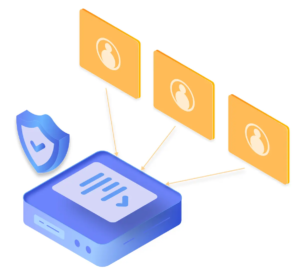
Create sub-organizations based on projects, target audiences, geographic locations, or any other criteria. Each sub-organization operates independently, but everything ties back to a central parent organization for unified oversight.
2. Fine-Grained Access Control
Assign permissions for individual modules, ensuring that each user sees only what they need. This level of control supports strict segregation of duties, essential for governance and security.
3. Testing Distribution Made Easy
Share builds effortlessly with testers and stakeholders. Collect feedback from real-world environments, ensuring every app performs flawlessly before release.
4. Centralized Licensing
Simplify resource management across projects with a centralized licensing model. This flexibility is a game-changer for enterprises with global operations.
5. IAM/SSO Integration
Appcircle’s robust IAM/SSO capabilities enable organizations to enforce consistent policies, simplify onboarding, and enhance compliance.
Conclusion: Revolutionize Your Mobile DevOps with Multi-Layered Team Management
As mobile app ecosystems grow more complex, effective team management becomes the key to success. A multi-layered approach ensures that teams work efficiently, risks are minimized, and governance is maintained—all without sacrificing flexibility. With features like hierarchical team management, role-based access control, and streamlined testing distribution, Appcircle empowers enterprises to master Mobile DevOps at scale.
FAQs
1. What is multi-layered team management in Mobile DevOps?
Multi-layered team management refers to organizing teams into hierarchical structures (root/sub-organizations) with defined roles and permissions. This structure enables better governance, risk isolation, and streamlined collaboration across multiple projects and teams.
2. Why do enterprises need hierarchical team structures in CI/CD?
Enterprises often run multiple app projects across departments or regions. A hierarchical structure allows each team to operate independently while maintaining centralized oversight for licensing, security, and policy enforcement.
3. How does Appcircle support multi-layered team management?
Appcircle allows you to create sub-organizations under a root account, assign fine-grained access controls, and manage centralized licensing. Teams can work in isolation while sharing common resources such as testers or DevOps engineers.
4. Can I define user roles and access permissions in Appcircle?
Yes. Appcircle supports Role-Based Access Control (RBAC), allowing you to define who has access to which modules and actions, ensuring governance, security, and clarity across all team members.