
WWDC 2026 Recap for Developers
WWDC 2026 made one thing clear: AI is no longer just a feature on Apple platforms, it’s becoming a core part of the developer experience. From the new Core AI framework and major upgrades to Foundation Models, to agentic coding in Xcode 27, Apple is giving developers powerful new ways to build, test, and ship intelligent applications.
Beyond AI, this year’s releases bring meaningful improvements across Swift 6.4, SwiftUI, Xcode, and Liquid Glass, making apps faster, more adaptive, and easier to build. In this article, we’ll recap the most important announcements from WWDC 2026 and what they mean for Apple developers.
Core AI: Bring Your Own Models to Apple Devices
One of the biggest announcements at WWDC 2026 was the introduction of Core AI, a brand-new framework designed for running custom AI models directly on Apple devices.
Until now, developers typically relied on Core ML to deploy machine learning models. With Core AI, Apple is introducing a modern framework built specifically for the next generation of AI applications, including large language models, vision models, and multimodal experiences.
Core AI provides a native Swift API, deep integration with Apple Silicon, advanced GPU optimization capabilities, and tools for converting and optimizing PyTorch models. Apple also introduced dedicated debugging and profiling tools, making it easier to understand and improve model performance.
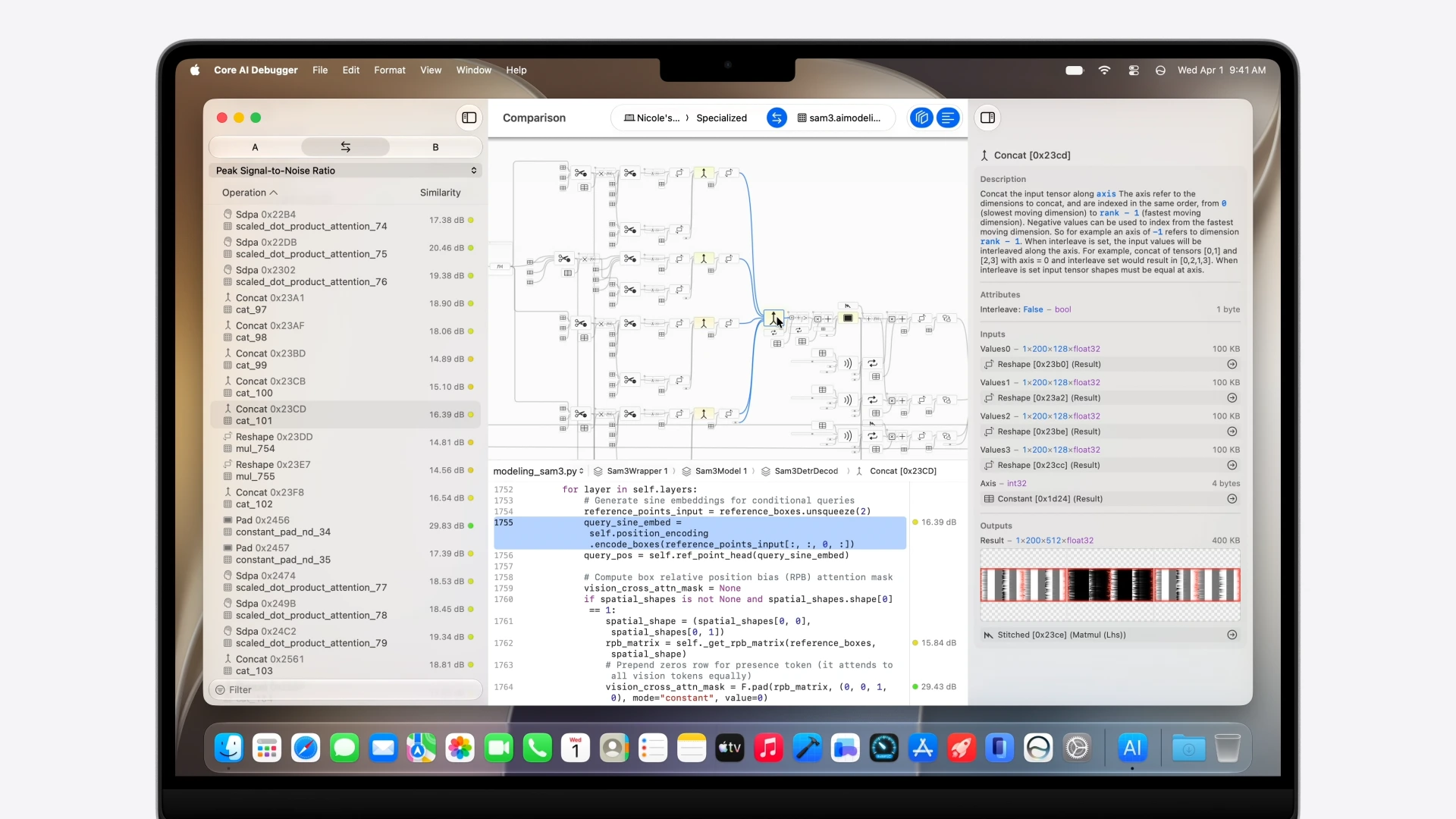
Perhaps the most important benefit is that models run entirely on-device. This means lower latency, no server infrastructure, no token costs, and better privacy for users.
For developers building AI-powered applications, Core AI represents Apple’s long-term vision for deploying and running custom models across iPhone, iPad, Mac, and future Apple platforms.
For a deeper look at Core AI, including on-device inference, PyTorch model conversion, Swift APIs, and optimization tools, read our full article: WWDC26: Apple’s Core AI Framework Explained.
Xcode 27: Agentic Coding Takes Center Stage
Apple made it clear that AI isn’t just transforming apps — it’s transforming how developers build them. With Xcode 27, Apple is significantly expanding its agentic coding capabilities, turning Xcode into a much more intelligent development environment.
Developers can now use coding agents to plan features, generate code, run tests, interact with simulators, localize applications, analyze crashes, and even propose fixes. Rather than acting as a simple code completion tool, Xcode’s agents can understand project structure, use Apple documentation, inspect UI previews, and validate their own work.
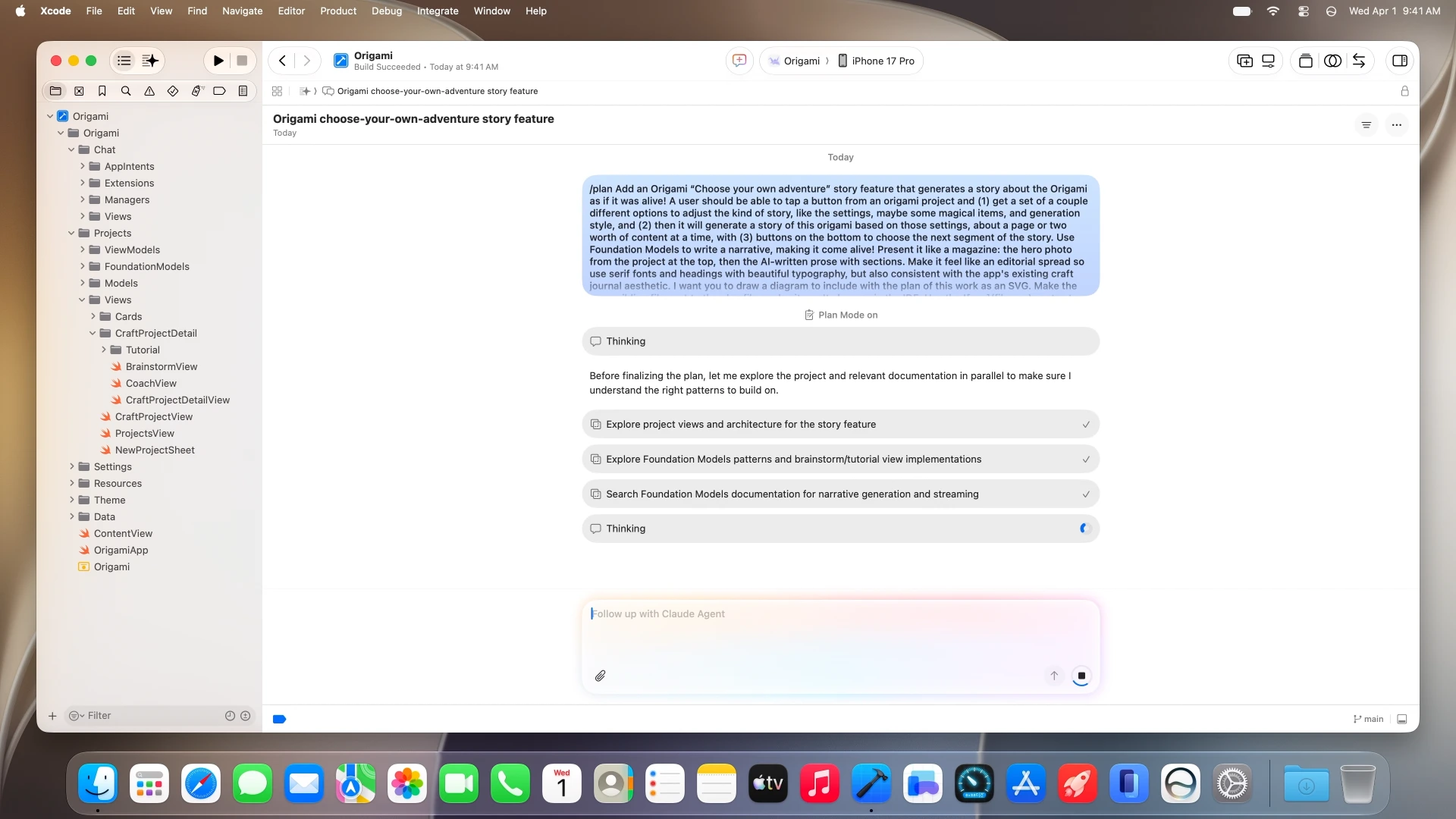
Apple is also embracing an open ecosystem by supporting multiple AI providers, including OpenAI, Anthropic, and Google Gemini, while introducing support for the Agent Client Protocol (ACP). This allows developers to bring their preferred agents directly into Xcode.
Beyond AI, Xcode 27 also delivers quality-of-life improvements such as faster project loading, improved debugging reliability, iCloud-synced settings, a redesigned Device Hub, customizable themes, and a smaller installation footprint.
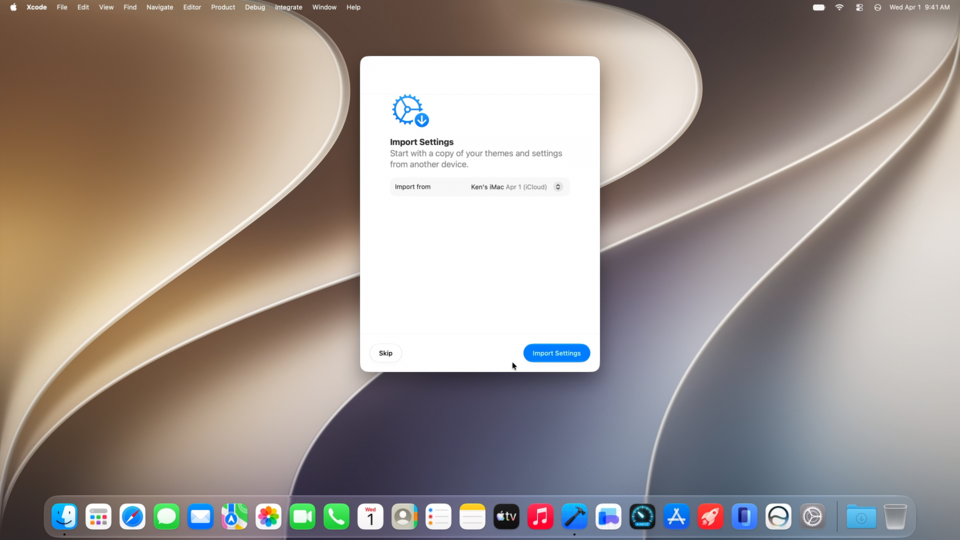
For many developers, Xcode 27 may be the most significant update to Apple’s development tools in years, bringing AI-assisted software development directly into the heart of the Apple ecosystem.
Want to dive deeper into Xcode 27? Check out our blog post: WWDC26: What’s New in Xcode 27 for Developers.
Foundation Models Framework Gets a Major Upgrade
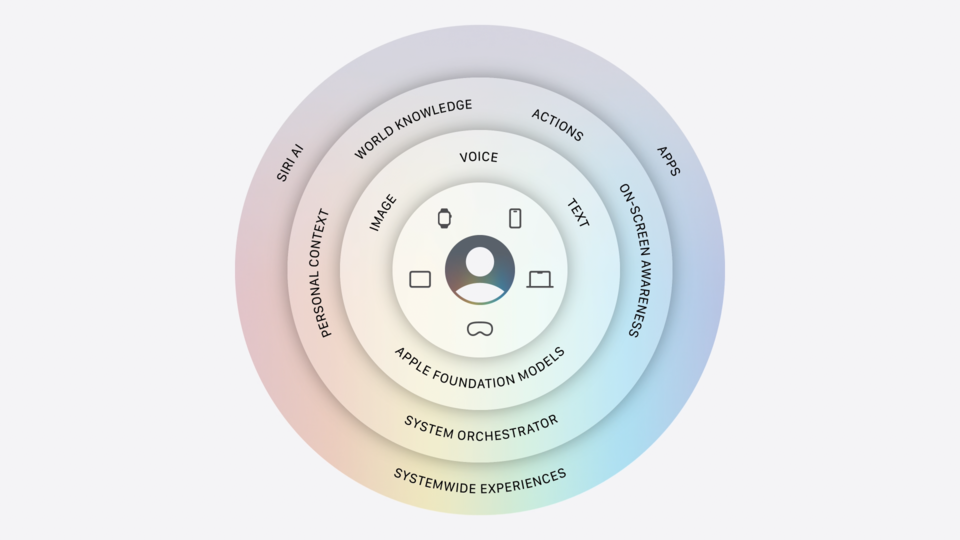
Apple significantly expanded the Foundation Models framework, making it one of the most important AI-related announcements of WWDC 2026.
Introduced last year as a way to access Apple Intelligence models, the framework now supports multimodal inputs, allowing developers to combine text and images in a single prompt. This opens the door to new experiences powered by image understanding, visual reasoning, OCR, and other on-device intelligence capabilities.
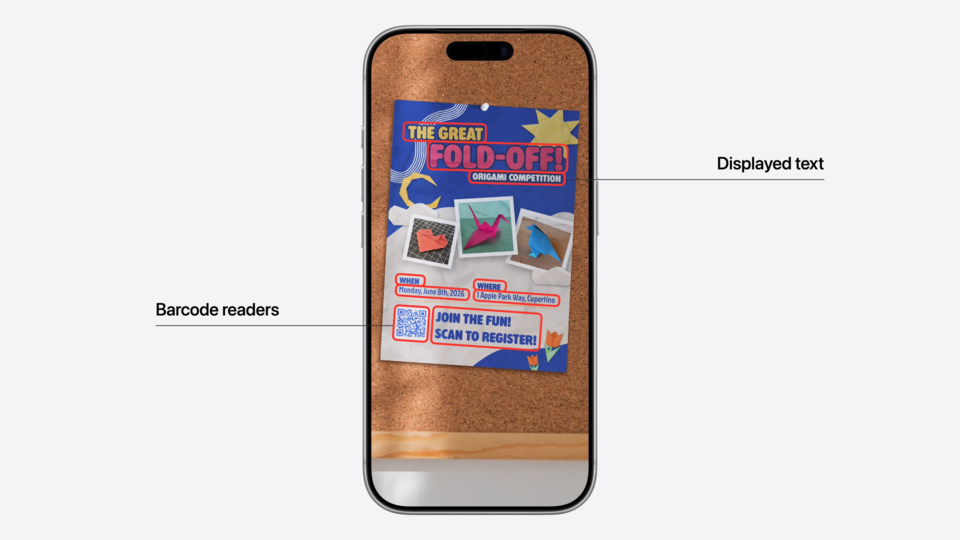
Apple is also extending the framework beyond on-device models. Developers can now integrate server-based models such as Claude, Gemini, and other providers through the same API, making it easier to choose the right model for each task without changing application architecture.

One of the most interesting additions is Dynamic Profiles, a new declarative system that allows AI sessions to adapt their instructions, tools, and even underlying models based on application state. This makes it much easier to build agent-like experiences while maintaining a consistent conversation context.

Apple also introduced new developer tools around the framework, including evaluation and testing utilities, debugging instruments, a command-line interface, and a Python SDK. Later this year, the Foundation Models framework itself will become open source, allowing developers to use the same APIs across both client and server environments.
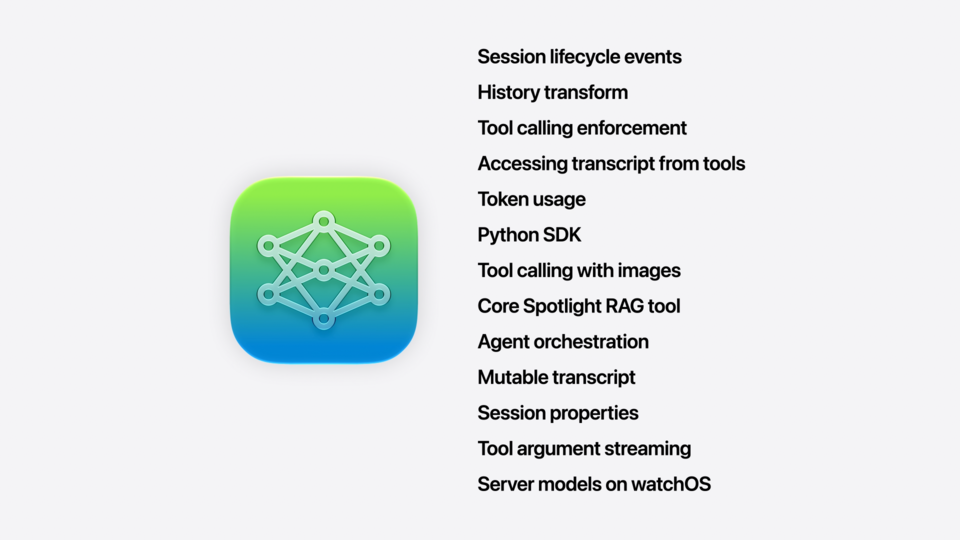
For developers, the Foundation Models framework is quickly becoming the primary way to integrate Apple’s AI capabilities into apps, whether running on-device, through Private Cloud Compute, or with third-party models.
Swift 6.4 Improves the Everyday Development Experience
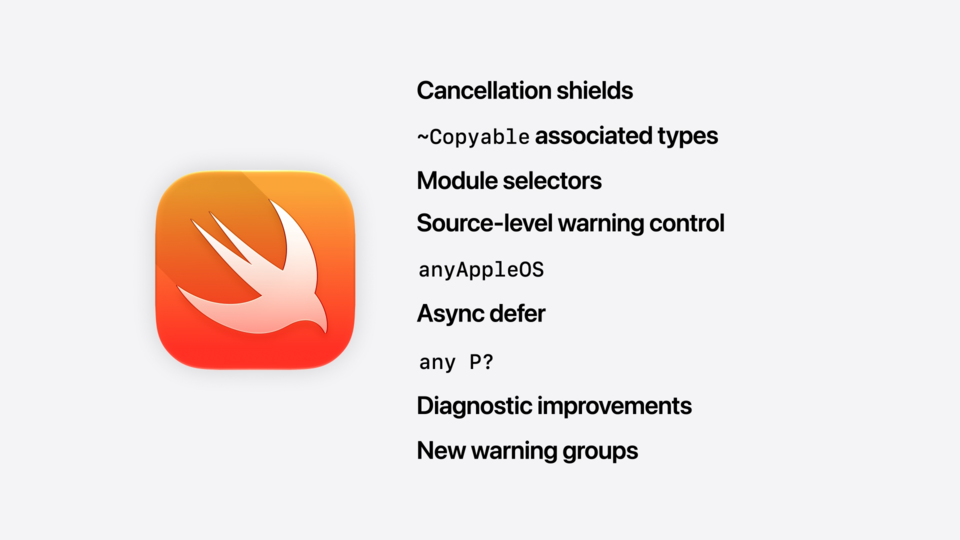
While Swift 6.4 doesn’t introduce a major new language feature, it delivers a collection of improvements aimed at making everyday development smoother and more productive.
One of the most welcome changes is improved compiler diagnostics. Swift developers are all too familiar with cryptic type-checking errors, especially in complex SwiftUI views. Apple has invested heavily in this area, allowing many previously problematic expressions to compile successfully or produce more actionable error messages.
The release also introduces several quality-of-life enhancements, including the ability to use await inside defer blocks, simplified platform availability declarations through anyAppleOS, and more flexible warning management during large migrations or incremental adoption of new language features.
Beyond application development, Apple continues to position Swift as a language that scales across the entire software stack. During the presentation, the company highlighted how Swift is increasingly being used throughout Apple’s own systems, including networking components, WebKit, drivers, firmware, and even parts of the operating system kernel.
While Swift 6.4 may not be the headline-grabbing announcement of WWDC 2026, it represents Apple’s continued investment in making Swift a more capable, productive, and scalable language for developers.
SwiftUI Gets Faster, Smarter, and More Flexible
SwiftUI continues to mature as Apple’s preferred framework for building user interfaces, and this year’s updates focus on three key areas: performance, interactions, and adaptability.
Developers gain new built-in interaction APIs such as drag-and-drop reordering for custom containers and swipe actions beyond traditional lists, reducing the need for custom implementations. Apple also introduced several performance optimizations under the hood, including faster layout calculations, lazy initialization of state objects, and automatic image caching for AsyncImage.
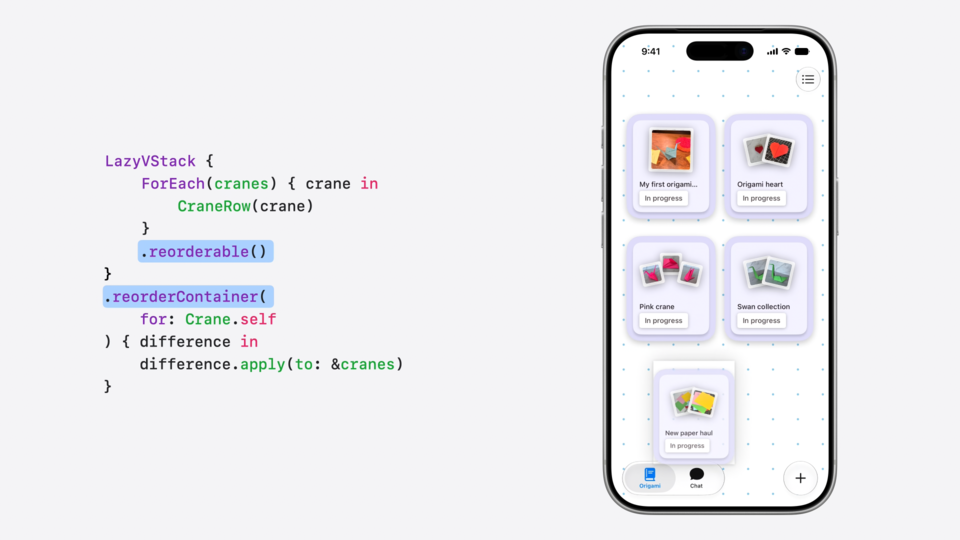
To better support apps running across a wider range of screen sizes, SwiftUI now offers more control over toolbar behavior and window resizing. Apple also introduced a new document infrastructure and additional APIs for building more powerful desktop-class applications.
While none of these features individually redefine SwiftUI, together they make it easier to build performant, adaptive, and fully native experiences across the Apple ecosystem.
Want to dive deeper into SwiftUI? Check out our blog post: WWDC26: What’s New in SwiftUI.
Liquid Glass Continues to Evolve
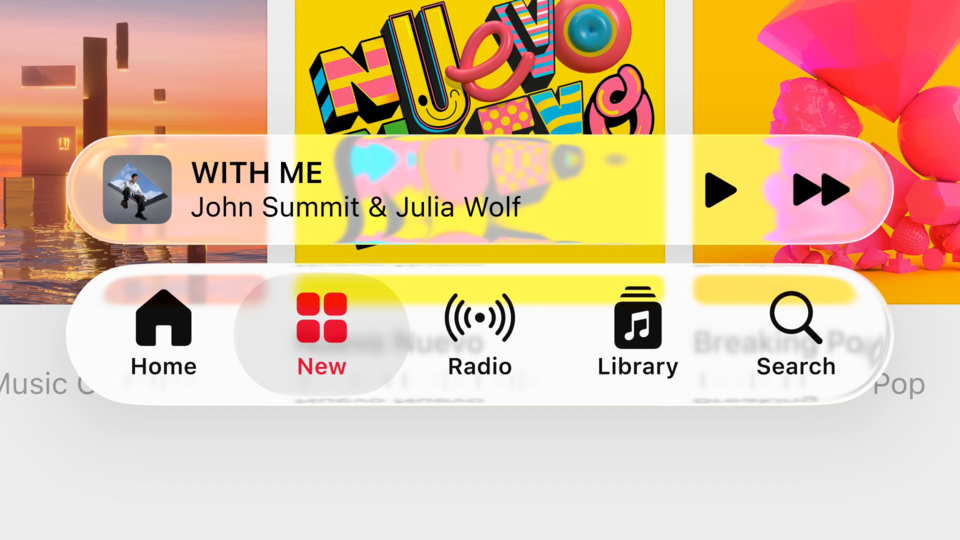
After introducing the Liquid Glass design language last year, Apple spent WWDC 2026 refining and expanding the system across its platforms.
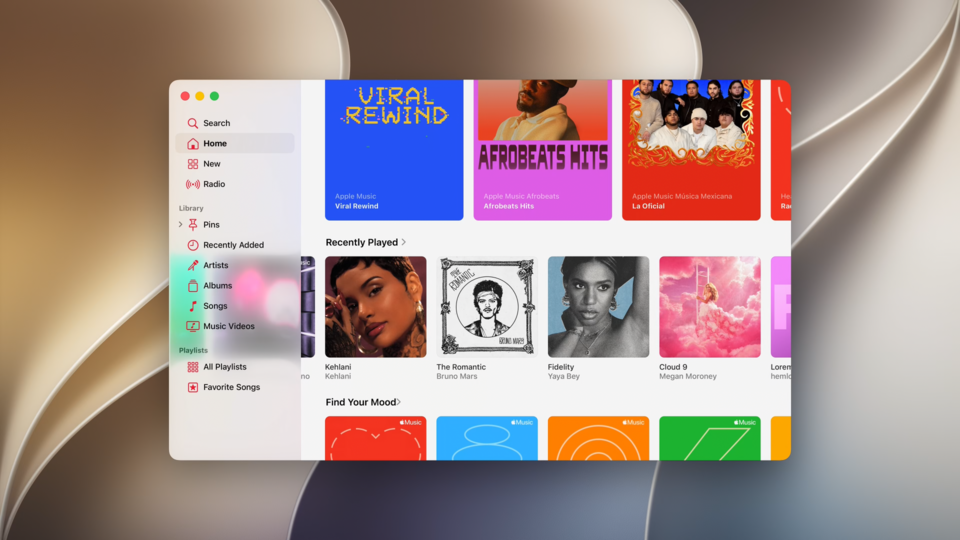
This year’s updates focus primarily on visual consistency, readability, accessibility, and customization. Liquid Glass now provides better separation between foreground and background content, improved contrast, enhanced translucency effects, and greater support for accessibility settings. Users can even customize the intensity of the Liquid Glass effect to better match their preferences.
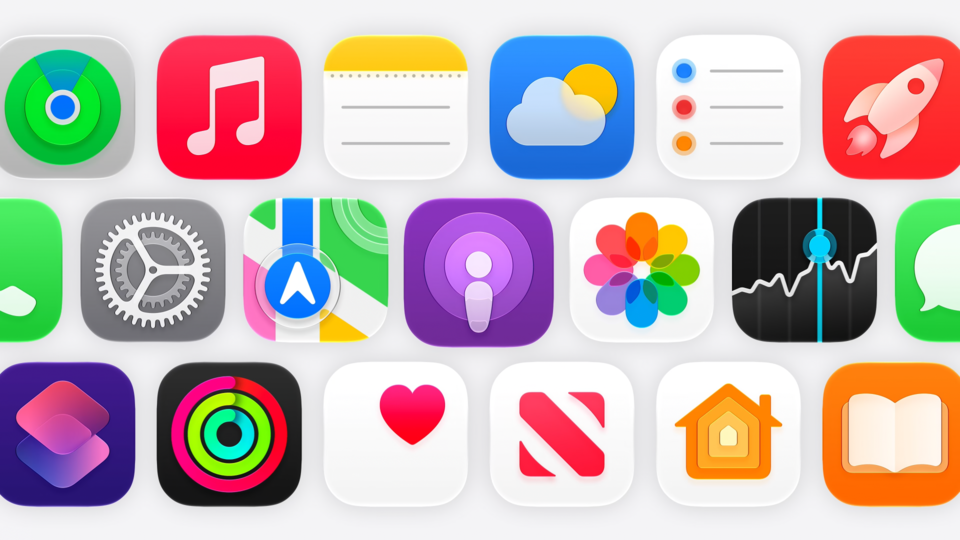
Apple also updated application icons and introduced new capabilities in Icon Composer, allowing designers and developers to create richer multi-layered icons with advanced visual effects. Across macOS, iPadOS, and iOS, interface elements have been refined to create a more cohesive and polished experience.
For developers who have already adopted Liquid Glass, many of these improvements come automatically. For everyone else, Apple made it clear that the transition period is ending, as future applications will be expected to embrace the new design language.
Conclusion
WWDC 2026 wasn’t just another year of framework updates and platform refinements. It marked a significant step toward a future where AI is deeply integrated into both the apps we build and the tools we use to build them. With Core AI, Foundation Models, and agentic coding in Xcode 27, Apple is laying the foundation for a new generation of intelligent applications. As these technologies continue to evolve, developers who start exploring them today will be best positioned to take advantage of what comes next.
To learn more, watch the full WWDC 2026 sessions and technical deep dives available on Apple’s Developer website.
WWDC 2026 video library: https://developer.apple.com/videos/wwdc2026
FAQs
What was the biggest announcement at WWDC 2026 for developers?
The biggest developer-focused announcement at WWDC 2026 was the introduction of Core AI, Apple’s new framework for running custom AI models directly on Apple devices. Combined with major upgrades to Foundation Models and AI-powered coding agents in Xcode 27, Apple significantly expanded its AI development ecosystem.
What is Core AI and how is it different from Core ML?
Core AI is Apple’s new framework for deploying and running modern AI models, including large language models (LLMs), vision models, and multimodal models. While Core ML remains Apple’s machine learning framework, Core AI is specifically designed for next-generation AI workloads with native Swift APIs, advanced Apple Silicon optimization, and improved developer tooling.
Can Core AI run AI models entirely on-device?
Yes. Core AI allows developers to run AI models directly on iPhone, iPad, and Mac devices without requiring cloud infrastructure. This reduces latency, eliminates token costs, improves reliability, and enhances user privacy by keeping data on-device.
What are the new AI features in Xcode 27?
Xcode 27 introduces advanced agentic coding capabilities. Developers can use AI agents to generate code, analyze projects, run tests, localize applications, investigate crashes, interact with simulators, and suggest fixes. Xcode now acts as an intelligent development assistant rather than just a code editor.
Which AI providers are supported in Xcode 27?
Apple announced support for multiple AI providers, including OpenAI, Anthropic, and Google Gemini models. Developers can also integrate external agents through the Agent Client Protocol (ACP).
What improvements were made to the Foundation Models framework?
The Foundation Models framework now supports multimodal prompts that combine text and images, Dynamic Profiles for adaptive AI behavior, server-side model integrations, new testing tools, a Python SDK, and upcoming open-source support for broader deployment scenarios.
Is the Foundation Models framework limited to Apple Intelligence models?
No. While the framework was originally designed for Apple Intelligence, developers can now connect third-party models and cloud-based AI services through the same API, making it easier to switch between local and remote AI models.
What’s new in Swift 6.4?
Swift 6.4 focuses on developer productivity improvements, including better compiler diagnostics, support for using await inside defer blocks, simplified platform availability declarations, and enhanced migration tooling. These changes make Swift development more efficient and reduce common debugging frustrations.
How does WWDC 2026 improve SwiftUI development?
SwiftUI gains performance optimizations, enhanced drag-and-drop APIs, expanded swipe actions, automatic image caching for AsyncImage, improved window management, and better support for adaptive layouts across Apple’s growing range of devices.
Why is WWDC 2026 considered an important milestone for Apple developers?
WWDC 2026 represents Apple’s strongest commitment yet to AI-powered development. With Core AI, enhanced Foundation Models, and agentic coding in Xcode 27, Apple is building a unified platform for creating intelligent applications while making AI a first-class part of the software development workflow.

